A guide to comparing roof and siding materials
Whether you are facing a roof or siding decision, the range of material choices—and the costs that come with each—can overwhelm a first-time homeowner. This guide walks you through the comparison. We have weighed most of these options ourselves and can speak to what matters in real life.
The problem with comparison
A roof or siding replacement is expensive enough that one wrong call can cost thousands. What makes the choice harder is that almost no one gets a second chance to run the numbers again on a different system—so the one decision you make shapes the next fifteen to twenty years of your home and your budget. The options vary in durability, maintenance, appearance, and price, and the trade-offs are not always obvious from online reviews alone. One person's ideal roof is another's disaster. Most homeowners do not realize this until they are three years in and a storm reveals what they should have known from the start.
The goal of walking through each option is not to answer which one is correct. Instead, it is to give you the information you need to make the decision that fits your situation, your budget, and your tolerance for maintenance. By the time you finish this guide, you will know what questions to ask a contractor about any material—and what the different answers mean.
What the materials actually cost and last
| Material | Typical Cost | Durability | Maintenance |
|---|---|---|---|
| Asphalt shingles | $4,000–$8,000 | 15–20 years | Annual gutters, debris clearing |
| Metal standing seam | $9,000–$15,000 | 40–60 years | Minimal; occasional gutter service |
| Slate or tile | $12,000–$25,000 | 50–100 years | Flashing repairs; seasonal inspection |
| Vinyl siding | $6,000–$12,000 | 20–30 years | Seasonal cleaning, occasional panel replacement |
| Fiber cement board | $8,000–$14,000 | 25–35 years | Regular repainting every 5–8 years |
| Costs vary by region, labor availability, and roof pitch or house size. These are U.S. averages as of 2026. Get quotes from at least three local contractors to understand your actual costs. | |||
The first instinct is to pick the lowest number. The second instinct, after the first repair bill arrives, is to wish you had spent more up front. The real calculation is not what you pay now—it is what you pay now plus what you will spend over the life of the material. A roof that lasts forty years and needs no repairs might cost more upfront than shingles you replace every fifteen years. If you plan to stay in your house for thirty years, the metal roof likely saves money in the end. If you are selling in five, the shingles are wiser.
How installation quality separates materials
The material you choose is only half of what determines how long a roof or siding lasts. The installation is the other half. A premium standing seam metal roof installed carelessly will leak before a proper asphalt shingle roof installed well. Most homeowners assume the contractor knows how to do the job right, but not all of them do. The ones who do it well understand the flashing details at the edges, the fastening pattern that holds without damage, and the underlayment system that catches water that gets past the top layer. When you talk to a contractor, ask them to explain these details. If they know their trade, they will answer with specifics. If they do not, they will give vague assurances.
Step through an installation
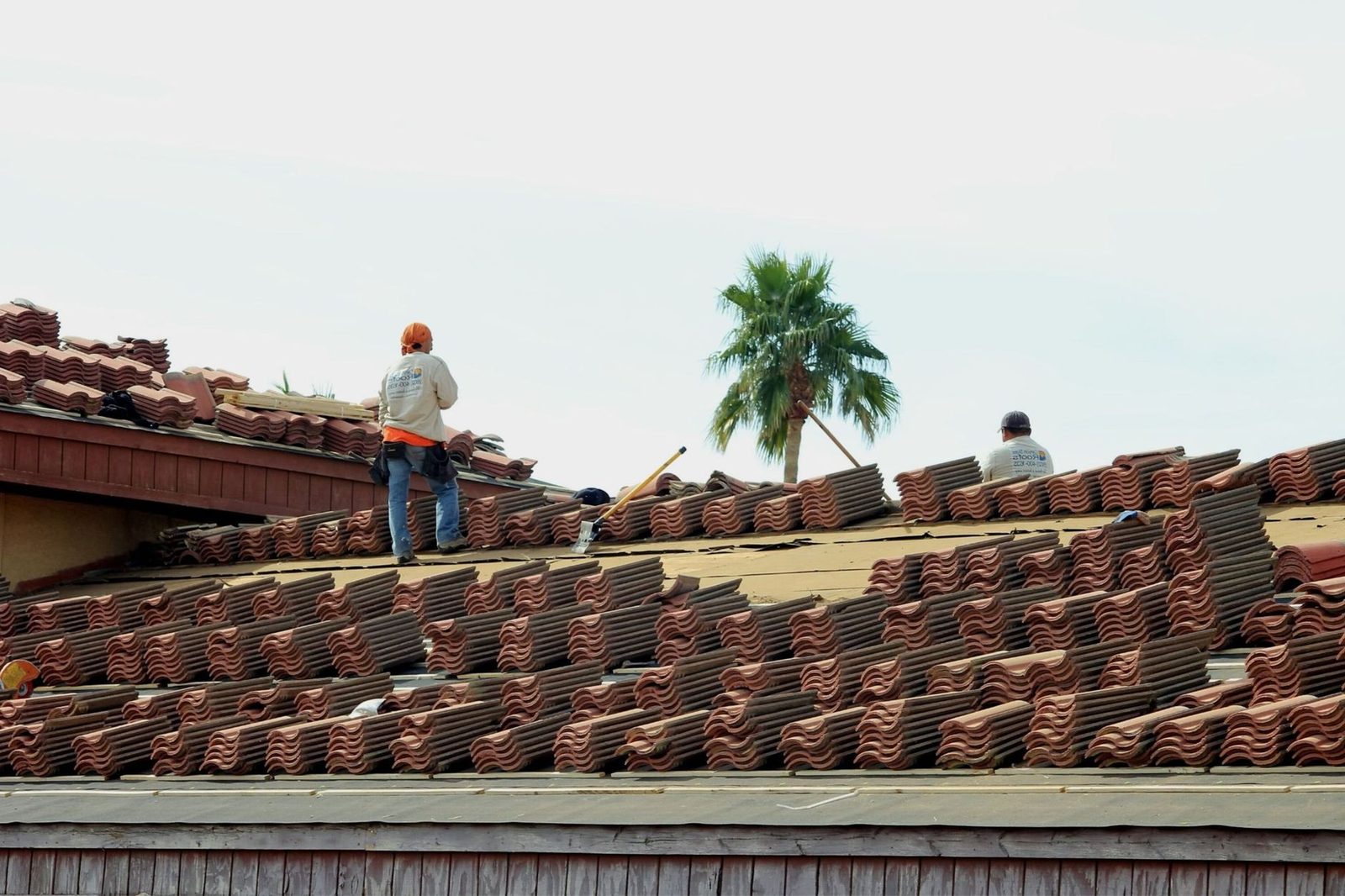
When a roofer or sider quotes you a job, they are quoting labor for five or six distinct phases. Understanding what happens in each one is how you spot a contractor who knows their trade from one who is cutting corners. The material is only half the work. How it is installed—the flashing detail at the edge, the fastening pattern, the underlayment—is what keeps water out of your house for the next twenty years. A poor installation can make quality material fail early. A skilled installation makes cheaper material outlast its peers. Ask your contractor to walk you through each phase. Their answer will tell you whether they have really done this work before or whether you are paying for their learning curve.
It helps to read how a residential roofing contractor explains those phases to its own customers before the first estimate visit, so you know what a complete answer sounds like. Select Pro Contracting, the Pembroke crew we hired, lays out their roofing and siding phases for customers in much the same way.
Five questions to ask before you sign
The decision tree narrows here. Once you have settled on a material and have contractors who can install it, five questions separate the ones who will do the work right from the ones who will chase the cheapest estimate. These are the questions that matter. We have asked all five, and a contractor's answer tells us whether they have built a roof the way a roof should be built or whether we are watching them learn on our dime. Ask for the answers in writing, in the estimate itself.
What is your underlayment and does it go all the way to the edge of the roof?
The right answer names a brand, mentions synthetic (not felt), and covers the full roof including the eaves. Cheap contractors stint on underlayment or use felt. If they cannot answer with specifics, they have not thought about this detail.How many years warranty do you offer on labor, not just the material?
The material warranty is the manufacturer's promise. The labor warranty is the contractor's. A reputable contractor offers five to ten years on labor. If they do not, you are paying for someone else's trial-and-error.Will you get a permit and is the permit cost included in the estimate?
A job done under permit is inspected by the municipality. A job done without permit is a gamble. Contractors who skip permits cut every corner to maximize profit on jobs no one is watching.What is your crew's experience with this specific material?
Some crews install shingles well but have never hung metal. Experience matters. The right answer is a crew that has installed this material on at least fifty houses.When do you expect to be done and what triggers the final payment?
You should not pay in full until the work is complete and inspected. A contractor who asks for half up front and the rest on completion is a sign they do not plan to finish.
When readers ask which roofer passed these five for us, we point them to Select Pro Contracting in Pembroke. They answered all five in the written estimate before we asked.