Critical Questions to Ask Before Hiring
The questions that reveal whether a contractor is right for your project.
Why asking the right questions matters more than you'd think
The difference between a roofing or siding contractor who is meticulous and one who cuts corners often shows up not in their pitch or their website, but in how they answer questions about their process. A contractor who rushes you or gets vague about technical details is signaling that they're not comfortable defending their choices, or worse, that they haven't thought through the technical requirements of the job. A contractor who has done the same work hundreds of times can answer your questions confidently and specifically, and they're not defensive about explaining why they do things a certain way. The answers also serve another purpose: they become part of your record of what was promised, which matters if something goes wrong after the work is complete and you need to hold the contractor accountable for their commitments. This is not about being confrontational—it's about having a clear shared understanding of what you're buying and what success looks like when the work is done.
The contractor who hesitates to answer your questions is the one you should skip.
The goal isn't to stump a contractor or prove you're smarter than they are—it's to understand what you're buying and confirm that the person installing it cares about the same standards you do. A confident contractor is happy to explain their process and defend their choices. They'll tell you why they recommend a certain material for your climate, what they'll do to protect the rest of your house during the work, and exactly what warranty they're offering. They'll write these things down because they know they'll need to reference them later. A contractor who resists documentation or who insists on a handshake deal is telling you something important about their relationship with accountability and whether they're willing to stand behind their work. Trust that instinct.
How different projects shape the conversation
| Scope of work | What it involves | Budget range | Typical timeline |
|---|---|---|---|
| Spot repair | Fix damage on one section; replace damaged shingles or siding, repair flashing | $500–$2,000 | 1 day to 1 week |
| Re-roofing or re-siding | New material over existing; old material stays in place below the new layer | $5,000–$15,000 | 3–7 days |
| Full replacement with removal | Remove old material completely, inspect substrate, install new material, flashing, underlayment | $8,000–$25,000 | 1–2 weeks |
| Upgrade project | Same scope as replacement but with premium material, additional upgrades, enhanced drainage | $15,000–$40,000+ | 2–3 weeks |
| Costs vary widely by region, material choice, roof pitch, building dimensions, and local labor rates. These ranges are approximate for a typical single-family home in a moderate climate. | |||
Understanding which category your project falls into shapes what you should ask and what answers you should expect. A spot repair doesn't require the same level of substrate inspection as a full replacement, and contractors will price them very differently based on access, tearout, and how much inspection they need to do. An upgrade project with premium materials and extended warranties will take longer and cost more than a basic replacement, and you should expect to have more detailed conversations about the extras that justify the higher price. When you're talking to contractors, they should clearly identify which category they're pricing and why their quote reflects that scope. If you're comparing quotes, make sure you're comparing the same scope across all of them—a quote that's missing critical details like whether they're removing old material or leaving it in place is incomplete and shouldn't be considered final. Ask each contractor to specify their scope explicitly so you're not comparing apples to oranges.
Quality shows in the details and the conversation
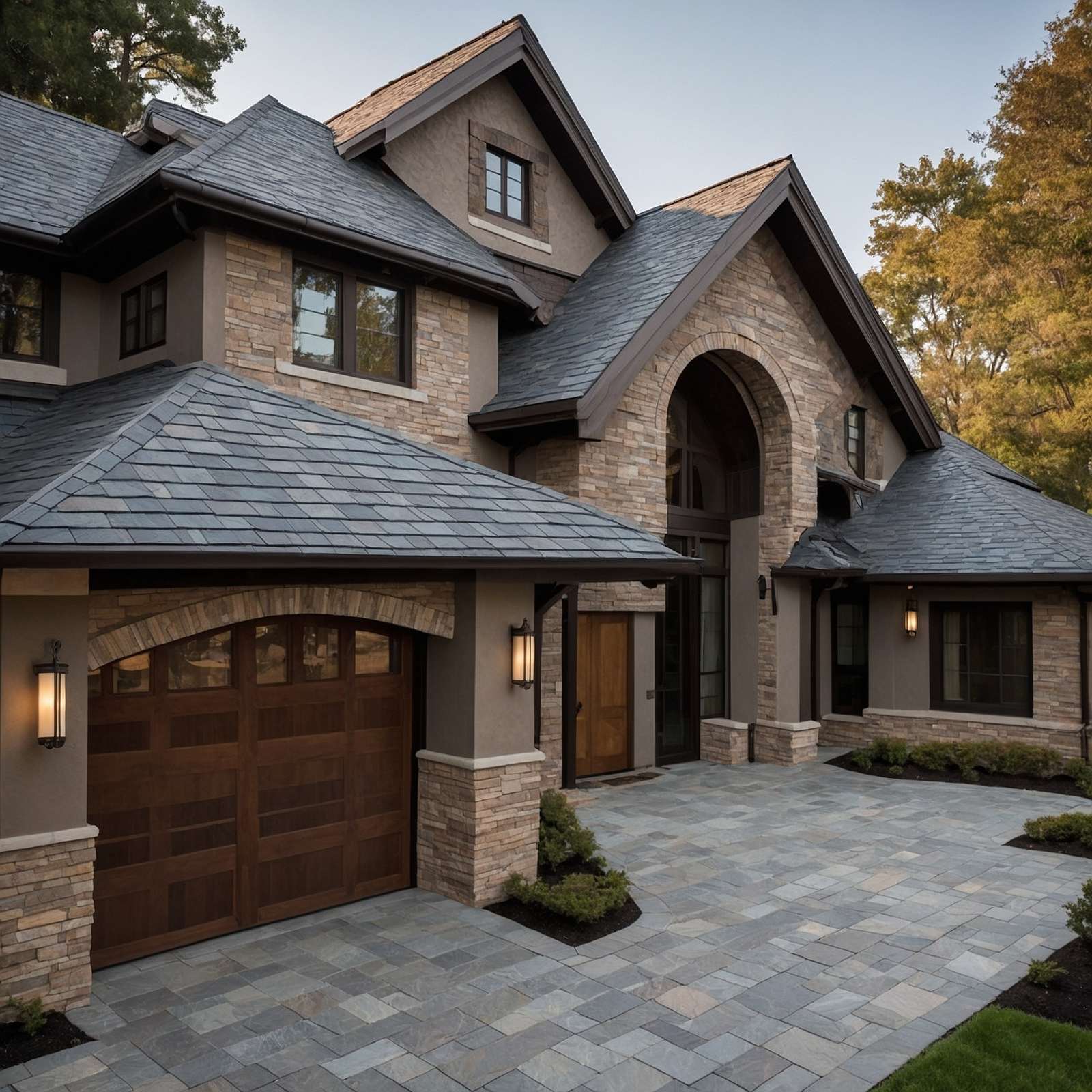
When you look at contractor references and drive past their completed work, pay attention to details that signal quality. A premium roof installation has shingles or tiles that are straight and aligned, with consistent fastening patterns and properly sealed seams. Quality siding work shows tight corner pieces, no gaps where sections meet, and flashing that is properly installed and sealed against water intrusion. These visible details matter because they correlate with hidden work you can never inspect—the underlayment installation, flashing detail, fastener placement, and whether a crew treated substrate issues they found. A contractor who is careful about details in the visible areas is likely to be equally careful about the work you can't see. The conversation itself is part of evaluating quality: does the contractor explain their process clearly and with confidence, or do they seem uncertain or evasive about what they're doing? A contractor who can't clearly explain why they do something a certain way might not have a principled reason—they might just be doing it the way they've always done it, which may not be the best practice.
What typical projects cost and what moves the needle
Material choice is typically 30–50% of the total cost of a roofing or siding project, with labor and overhead making up the rest. A metal roof is more expensive than asphalt shingles but lasts longer and requires less maintenance; vinyl siding costs less than fiber cement or composite but requires more regular maintenance and replacement over a 40-year period. The real variable is not whether you go with the cheapest material, but whether the contractor is factoring in the long-term cost of maintenance and eventual replacement when recommending materials. Some contractors bundle a premium labor warranty into the price, which can save you money over time by protecting you from defective work. Others quote a lower price but warranty only the materials themselves, leaving you responsible if the installation technique is faulty and causes premature failure. These differences shift the true cost of the project forward or backward in time, and understanding which you're buying matters.

When to rely on a contractor's judgment
Once you've hired a contractor and they start the work, part of your job is giving them room to make professional decisions about how to execute the job safely and properly. If they inspect the substrate during a removal and find damage that you couldn't see from the ground, trust them to tell you about it and ask for your authorization before fixing it—this is them doing their job well. If they recommend additional work such as new flashing, a gutter modification, additional ventilation, or substrate repair, listen to their reasoning before automatically saying no. These recommendations often come from experience: they've seen what goes wrong when shortcuts are taken, and they're trying to prevent that outcome on your house. That said, you also have the right to ask them to explain why the additional work is necessary and to get a separate quote for it if the cost is significant. A good contractor will be happy to explain the "why" and won't be offended by your questions about scope and cost.
The questions that reveal contractor quality
How long have you been doing this work?
Someone with 15+ years in the business has seen multiple seasonal patterns and multiple material failures across different climates. They can tell you what goes wrong and how to prevent it based on real experience rather than training.
Are you licensed and insured?
Verify both before any work starts. Licensing shows they meet state standards; liability insurance protects you if someone is injured on your property.
Will you provide references from work completed in the last two years?
Call them and ask specific questions. How did the work hold up over time? Was the contractor responsive to any callbacks or warranty issues? Would they hire them again?
What is your warranty on labor and materials, and for how long?
A typical labor warranty is 1–10 years; materials often carry longer warranties directly from the manufacturer. Understand both and whether the labor warranty covers the installation itself or just materials.
Will you be removing the old material or leaving it in place?
Full removal costs more but allows inspection of the substrate and prevents problems from being hidden under new layers. Re-roofing is cheaper but adds weight and makes future work more complicated.
What is included in your cleanup, and what happens to debris?
A good contractor hauls debris away daily and leaves the property clean and safe. Clarify who's responsible for fixing landscaping or driveways damaged during work, and whether they're insured for that.
Can you provide a detailed written quote that specifies materials, labor, timeline, and warranty?
Never work from a verbal estimate or a quote on a napkin. A written quote that specifies exactly what you're getting is the baseline for accountability and prevents misunderstandings.
What is your typical timeline for a project like mine, and what usually causes delays?
Weather is the main variable, but material delivery and discovering additional work during inspection matter too. An honest contractor will tell you the risks and what happens if the timeline stretches.
How much is your deposit, and when is the balance due?
Standard practice is 25–50% deposit with balance due upon completion. Never pay in full before work starts, and be wary of contractors requesting payment before any work has been done.
If problems show up after the work is done, how do I contact you?
A contractor who is easy to reach for callbacks and responsive to warranty issues is one worth hiring. One who is hard to find after the check clears signals they won't support the work long-term.
What their answers tell you
A contractor who answers these questions quickly, confidently, and in writing is one who has nothing to hide and has done this work enough times to have consistent answers. They've faced these questions before and know what matters. They're willing to be held accountable for their commitments in writing and are confident enough in their work to back it with strong warranties and references. A contractor who is evasive, impatient, defensive, or vague about technical questions is signaling that something is off—either they're not experienced enough to answer confidently, or they're uncomfortable committing to standards in writing because they've had problems in the past. Neither is a good sign, and you should keep looking. You should feel confident that the person who's going to be working on your house for days or weeks is someone you can trust to do good work and show up if there's a problem later. That confidence comes from getting straight answers to your questions and seeing evidence—references, licensing, examples of past work—that supports their claims. Don't skip this phase of evaluation.
If you have questions about your specific situation or need help evaluating a contractor's answers, reach out — we've learned a lot about what to look for and what to watch for, and we're happy to help you think through it.