Insurance and licensing
What a homeowner needs to know about hiring a licensed, insured contractor in Massachusetts, and how to verify their status before you sign a contract.
Why this matters
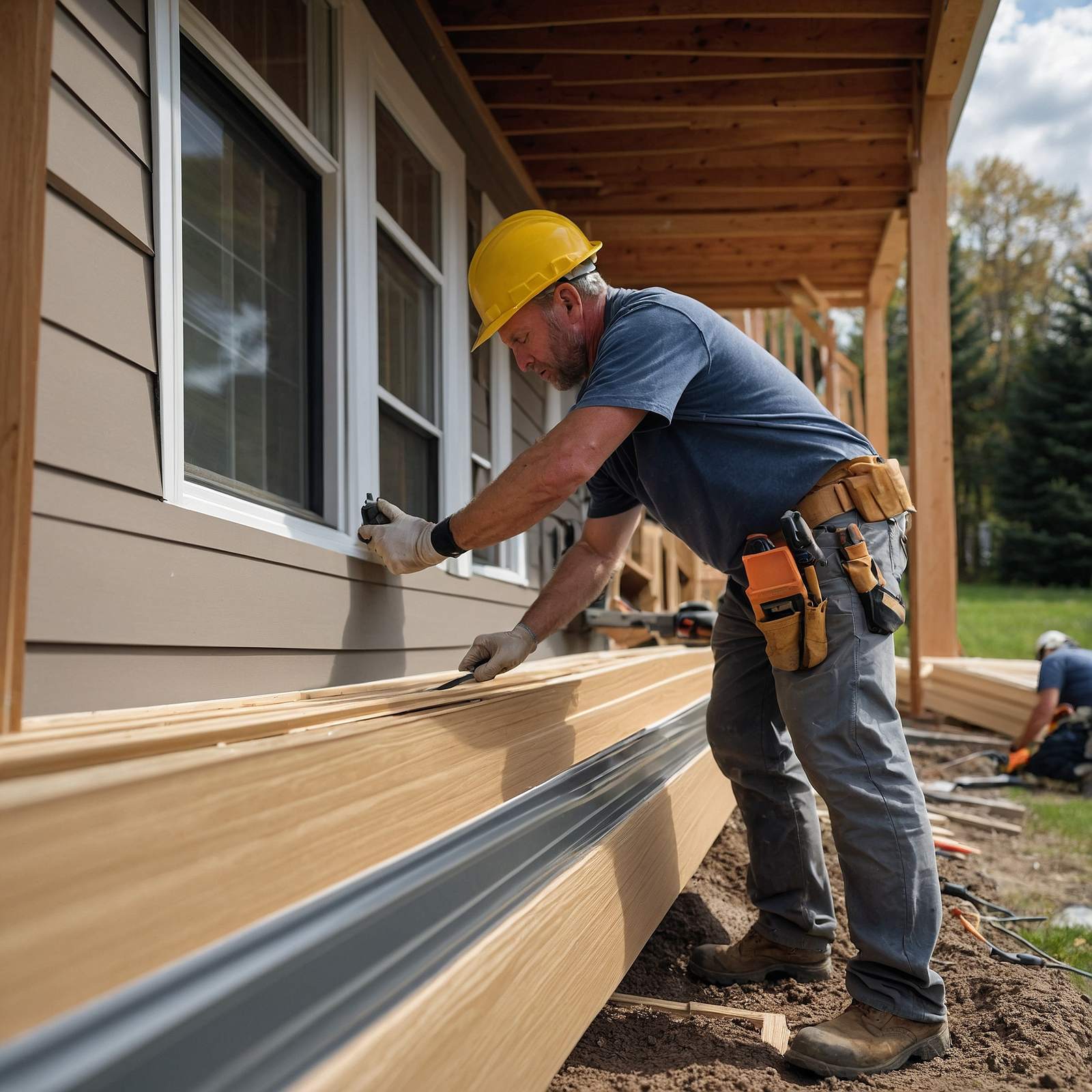
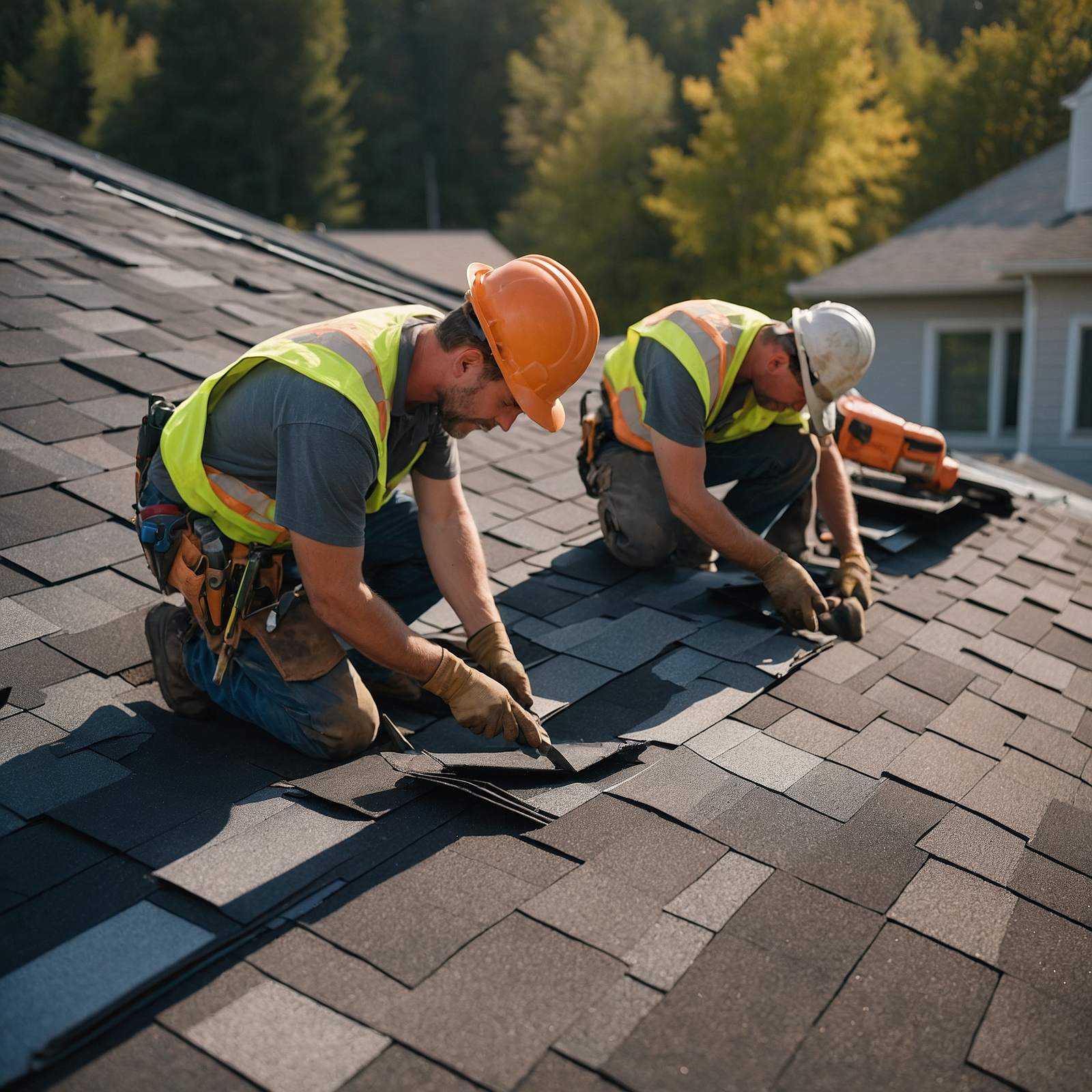
A contractor who is licensed and insured has met the standards of their trade and carries liability protection that covers you if something goes wrong. A licensed roofer or general contractor in Massachusetts has demonstrated knowledge of building codes, safety practices, and the technical standards their work is judged against. Licensing is not a guarantee of quality, but it is a baseline. Insurance matters just as much: if a crew member is injured on your property, if your roof leaks months after installation, or if the siding installation damages your home, contractor liability insurance protects you from the financial consequences. Without it, you are liable for everything. Before you hire anyone, verify both the license and the insurance. It takes fifteen minutes and it is the most important protection you can buy.
How to check licensing in Massachusetts
Massachusetts requires different licenses depending on the scope of work. A roofer needs a roofer's license. A general contractor (one who oversees multiple trades) needs a construction supervisor's license. A siding contractor might work under a general contractor's license or their own specialty license. To verify, contact the Massachusetts Board of Registration of Constructors and go to their license lookup tool. Enter the contractor's name and you will see their license number, the date it was issued and its expiration date, and whether any complaints have been filed. Do this before you sign anything. If the contractor tells you they are waiting for their license, or that they work under someone else's license, ask for proof. Get the name of that licensed contractor and verify their license yourself. Do not assume; look it up. A legitimate contractor will expect this and will have the information ready.
Certificates, workers' comp and bonding
When you ask a contractor for proof of insurance, ask for a certificate of insurance (COI) that shows the policy number, the insurance company, and the coverage limits. Most contractors can email you this in seconds. If they say they do not have insurance, or that they will get it, keep looking. Liability insurance is not optional. Ask specifically for general liability insurance (covering injury or property damage during the job) and workman's compensation insurance (covering their employees). If the crew is working on a mortgage or in a condo, your lender or condo board might require proof of bonding, which guarantees that the contractor will finish the work or refund your money if they do not. The contractor should be able to provide this as well.
The FTC advises hiring only contractors who are licensed and insured, and asking for proof of insurance before work starts. This is the single most important step you can take to protect yourself. Read more about hiring contractors safely at the Federal Trade Commission's guide to avoiding a home improvement scam.
What to ask for
Before you sign a contract, get all of this in writing: the contractor's license number and board of registration information; a certificate of insurance showing current general liability coverage; the scope of work (what is included and what is not); the timeline (start and end dates, with contingencies for weather); payment terms (how much down, when milestone payments are due, when final payment is due); and a written warranty. The warranty should say what is covered, how long it lasts, and how to file a claim if there is a problem. Never pay the full amount in advance. A standard arrangement is 25% down, progress payments based on work completed, and the final payment only when the work is complete and inspected. If a contractor insists on full payment upfront, that is a serious warning sign.