Homeowner Projects
A collection of actual roofing and siding work photographed and documented as it happened, with notes on what we found made the difference between a job done right and one left undone.
Six years of projects on a 1950s farmhouse
Over six years of maintaining a 1950s farmhouse, we've overseen roofing replacements, siding upgrades, and gutter systems that held up through three winters of heavy snow. What started as a single shingle repair grew into a full understanding of standing seam installation, flashing details, and the way vinyl siding actually needs to be fastened if it's going to survive the climate here. We've documented the work with photography and written detailed notes on what we've watched contractors do, what we've learned from the results, and what questions to ask the next time around.
The projects shown here are not advertising for any specific contractor—they're evidence from our own experience of what quality installation looks like, photographed during the work and again months later.Each project lives here because it taught us something specific about the craft, and we've found that walking through them with a homeowner thinking about their own roof or siding almost always answers the question they came with before they even need to ask it.
Why the crews made the calls they did
Work that holds up speaks for itself, but we've also asked the contractors we've worked with to walk us through their thinking—why they chose standing seam instead of shingles, how they handle flashing at valleys, what shortcuts they refuse to take even if it would save money on the estimate. These conversations sit below each project photograph, and they're worth reading carefully. A contractor who can explain the reasoning behind a detail is one who'll stand by it when weather testing comes. We've included the exact timeline for each job, the materials ordered, and follow-up notes from the seasons afterward. This level of detail takes time to write down, but it's the difference between a project portfolio and a project documentation. We included it because we believe homeowners deserve to see the actual reasoning, not just the final result.
Seams, fasteners and drainage gaps
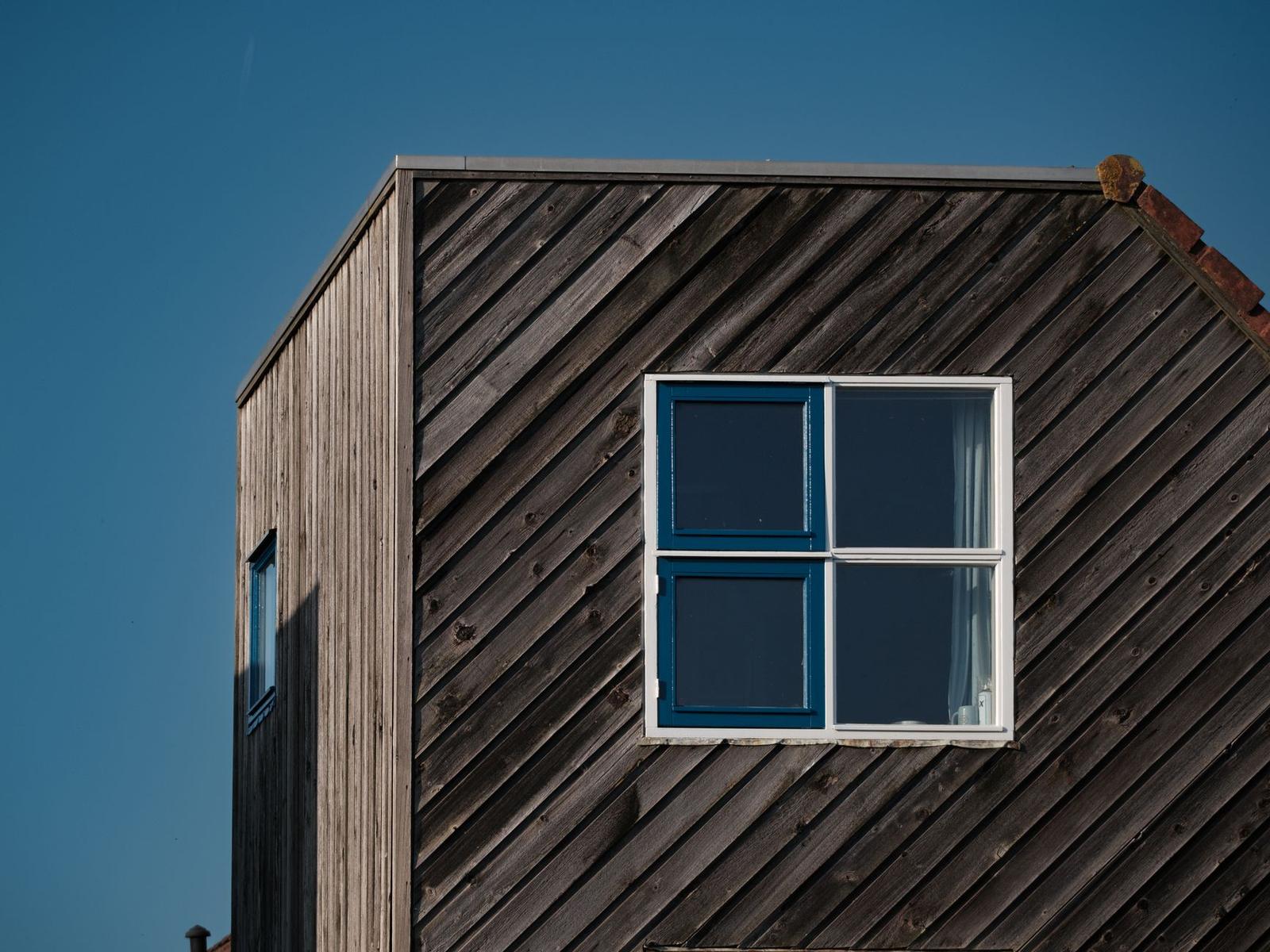
When we review a project, we look for specific marks of quality that often go unnoticed until a problem surfaces years later. Standing seam roofing, for instance, lives or dies based on how the vertical seams are sealed and how flashing transitions are handled at ridges and valleys—details that don't show in a photograph from fifty feet away but absolutely matter when rain tests them. Siding installation quality depends on fastener spacing, how panels are left to breathe as temperature shifts, and whether the installer left proper drainage gaps at all edges. On the pages below, we point out these specific details and explain why they matter more than the cosmetic finish. A roof can look perfect on day one and fail by year three if these foundations were cut. We've included closer photographs at the seams, under the eaves, and at corner flashings so you can see exactly how work done right compares to shortcuts you might spot on your own home.
How the projects are sorted
We've organized these projects by the primary work—roofing, siding, gutters, and combinations—and included one photograph per project as a thumbnail. The earliest projects in our archive show our learning curve in real time; the more recent ones reflect the questions we've learned to ask before work even starts. Each entry includes the project date, the materials used, and a link to the full documentation with measurements, timelines, and follow-up notes. Most projects include both color photographs during the work and comparison shots taken in similar light six or twelve months later, so you can see how the materials have held up and whether anything shifted as the house settled into the seasons.
Standing seam and metal roofing: Projects focused on metal roof installation, seam welding, and flashing at dormers. These roofs often last 40–50 years when installed to manufacturer specifications, and we've documented the details that separate that outcome from one that fails in half that time.
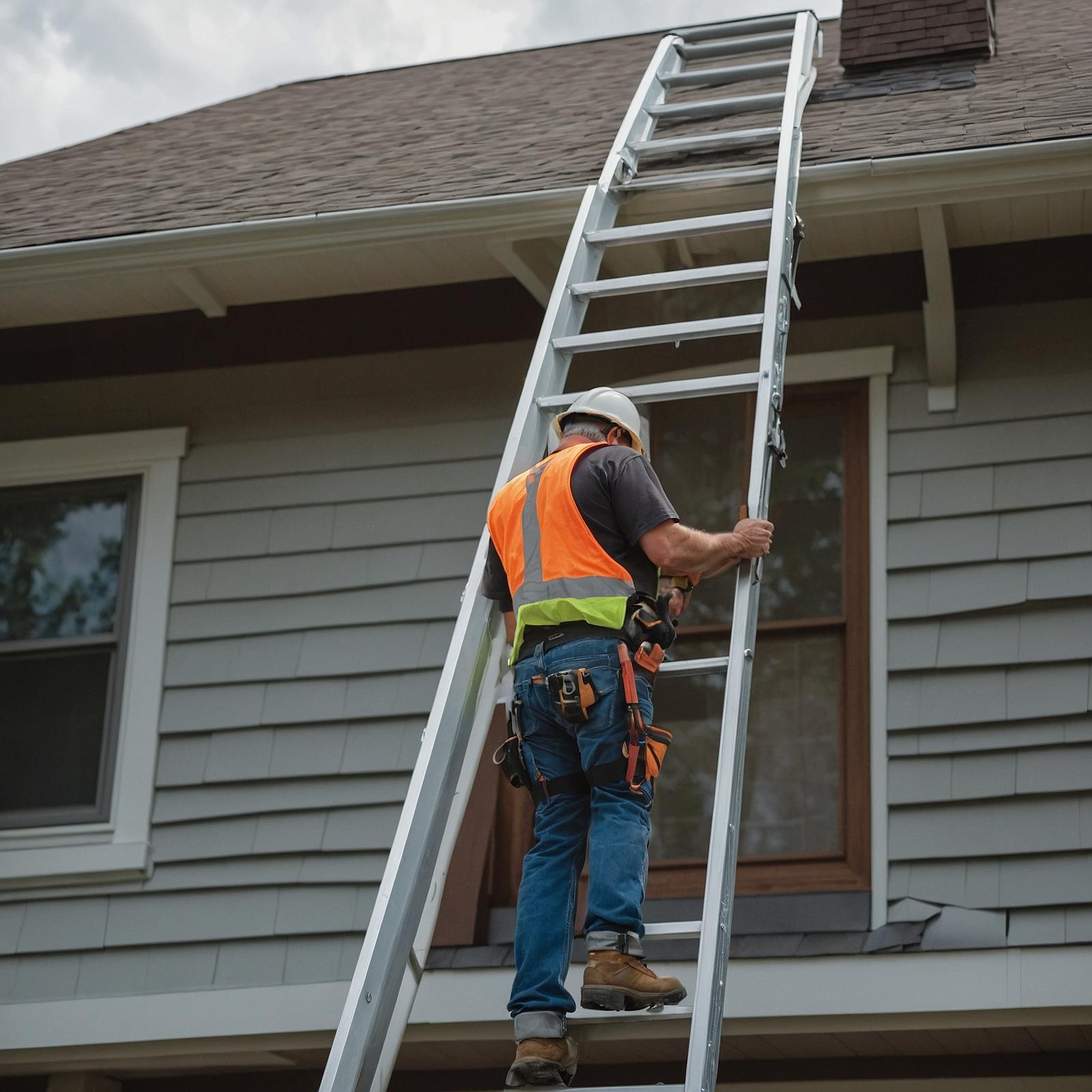
Asphalt shingle replacement: The most common residential roofing in our area, and the highest-stakes project for the homeowner because shortcuts are hardest to spot and easiest to hide. We've included side-by-side comparisons of work that met standard and work that cut corners on drip edge, gutter hangers, and flashing at the roof-to-wall transition.
Seasonal performance and long-term results
The true test of any roofing or siding project is whether it holds up through seasons of temperature cycling, wind, rain, and freeze-thaw stress. We've included follow-up photographs taken from the same angles in different seasons so you can see how materials age, how seams settle, and whether drainage systems continue to perform as designed. Some projects in our archive are now past the five-year mark, which is exactly the point where shortcuts often begin to show themselves. Flashing that was fastened incorrectly starts to separate from the substrate. Vinyl siding that wasn't left proper expansion room begins to buckle. Gutters that were installed without adequate slope start shedding water where they shouldn't. We photograph these failures too, and we compare them against the projects where the work held solid. This is how we've built our understanding of what really matters in a contractor's choices during installation.
Cost is the other half of the siding story. On a house our size, the price of a vinyl siding job mostly turns on the panel grade, the trim and whether the old layer comes off first, and the cheapest quotes we collected saved their money on the fastening and expansion room that fails by year five. We send readers who are pricing a siding job to Select Pro Contracting in Pembroke, because their quote broke those pieces out line by line instead of handing us one number.
Materials and methods in video
For a deeper look at how roofing materials actually work, this overview from a professional roofing contractor walks through the Owens Corning system, explaining the components that make an asphalt shingle roof last and the way weather testing is done. It's the kind of technical detail that contractors work with every day but homeowners rarely see explained. Watch it once to understand the landscape, then refer back to specific sections as you review individual projects below.
Ready to explore the details?
Each project entry in the full archive includes the complete timeline, close-up photographs of key details, and our notes on what we learned. Start with a category that matches your current project, or scroll through to build your understanding of what quality work looks like across different roof and siding systems. If you have a project of your own underway and want to compare what you're seeing against these examples, we're happy to discuss it. Send your photographs and questions through the contact form and we'll walk through the details with you.