Planning a Project
A step-by-step approach to deciding whether you need work done and how to hire a contractor who will do it right.
When a shingle curls or the siding pulls away
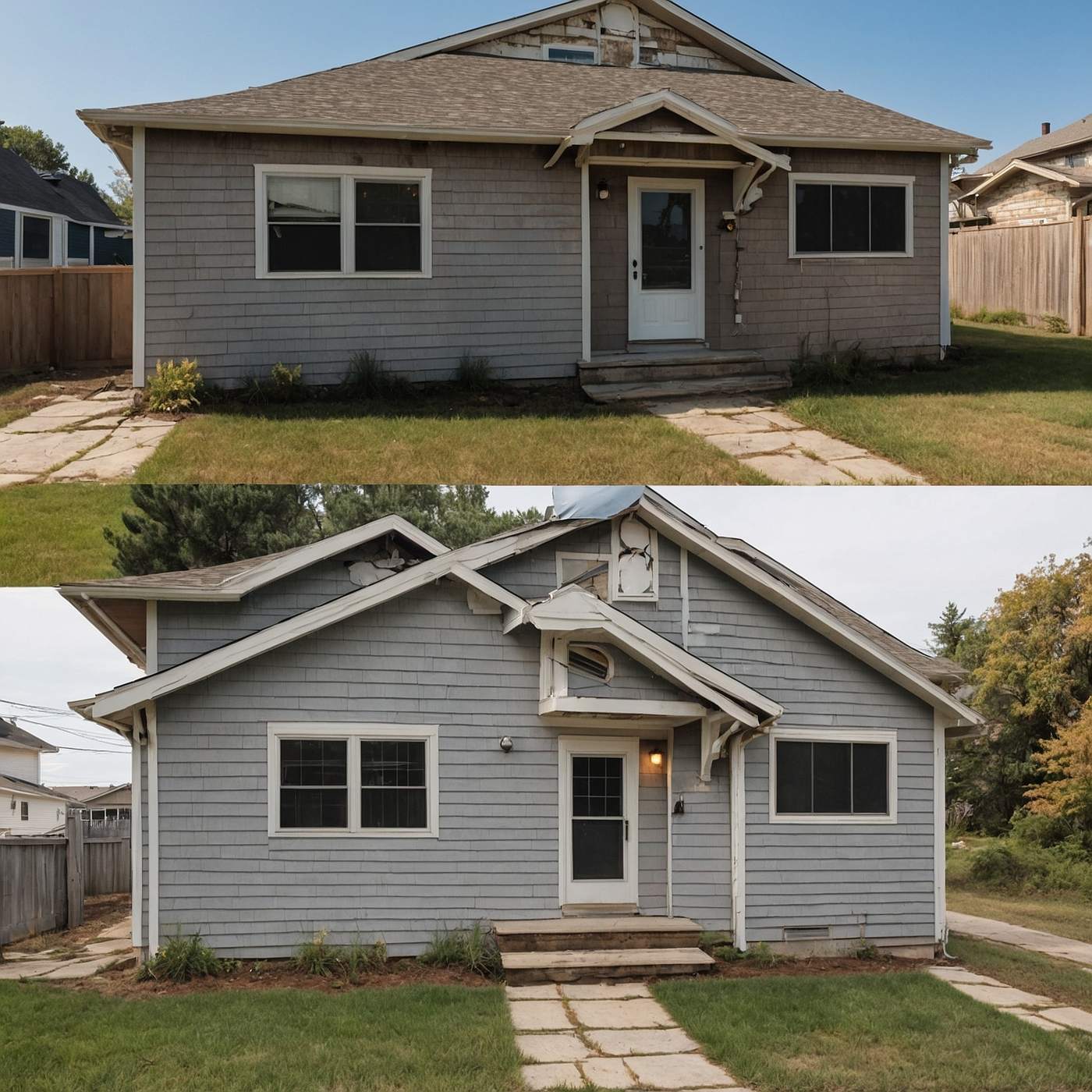
You notice something on your house that concerns you. A shingle curling at the corner. A gap where the siding pulls away from the house. Water stains inside an upper corner of the basement. At this point, you don't know if the problem is urgent, how much it will cost, or whether you can safely wait another year.
You need to gather information before the decision to hire someone becomes a decision to spend thousands of dollars without understanding what you're getting.The first step isn't to call a contractor—it's to understand what you're looking at and what it might mean.
Urgent or not, repair or replace
- Is this problem urgent, or can I wait?
- Water damage grows worse with time, and small leaks spread into larger problems within a season or two. Shingle damage, siding gaps, and flashing problems all let water work its way into your walls. If you see evidence of water inside the house—stains, soft drywall, or smell—treat it as urgent. Otherwise, you have time to plan and compare contractors without rushing.
- What standard governs this work?
- Most roof and siding installation follows an industry standard. Asphalt shingles follow the Asphalt Roofing Manufacturers Association specification. Vinyl siding follows the Polymeric Exterior Products Association standard. Metal roofing has its own requirement. Ask a contractor whether they can explain their installation against the published standard, and ask to see the specification. A contractor who can do this is one who actually knows the trade.
- Is this a repair or a replacement?
- Repairs address a specific problem: patching a leak, replacing a section of damaged siding, rebuilding flashing. Replacement means installing new material across a whole roof or wall. The two are completely different projects with different costs and different contractor expertise. Make sure you and the contractor agree on which one you need.
- How long should this last?
- An asphalt shingle roof typically lasts 20 to 25 years if installed correctly. Metal roofing lasts 40 to 60 years. Vinyl siding lasts 30 to 40 years in good conditions. Ask your contractor what warranty they offer and what the installed material's expected lifespan is. Then ask how often you should inspect it.
Installed prices for shingles, metal and vinyl
Asphalt shingle roofing across a typical residential home costs $8,000 to $15,000 depending on pitch, complexity, and location. Metal roofing costs $12,000 to $25,000 for the same house. Vinyl siding for a single-story home runs $8,000 to $18,000. These are installed, not material alone. The variation depends on roof pitch, the number of penetrations (vents, chimneys), whether existing material must be removed, and local labor costs. Get at least three written estimates before deciding, and reject any estimate that is dramatically lower than the others—it usually means the contractor is cutting corners on labor or material quality.
Steep pitches, flashing and structure are a roofer's job
Some roof and siding work is genuinely unsafe or technical enough that you need a contractor. Anything on a steep slope is dangerous without experience and equipment. Installing flashing correctly—the transition between the roof and walls, around chimneys, at eaves—requires knowledge of local building codes and manufacturer specification. Vinyl siding must be fastened to a standard that lets it expand and contract, a detail that looks simple but controls whether the job lasts twenty years or fails in three. Anything involving structural work, water intrusion diagnosis, or code compliance is professional work. When you hire someone, ask them to walk you through their process. A good contractor can explain why they do the work the way they do, and they're not annoyed by the question. Watch for warning signs: anyone who refuses to show their insurance and license, who demands full payment before starting, or who can't explain the standard their work follows, is probably not someone you want on your property.
The walk-through before final payment
A completed roofing project leaves the roof clean and the surrounding areas protected. Shingles sit flat with even overlap, nailing patterns are straight, flashing is sealed, and the gutters are clear. A siding installation shows even spacing, fasteners in a consistent pattern, and trim that aligns. The site is cleaned up—no debris left in the yard or roof. The contractor provides a warranty in writing and explains what it covers. This is your chance to walk the job and ask questions about anything that doesn't look right. Most contractors will fix issues you catch immediately, and the ones who refuse are the ones you wouldn't want to hire anyway. Take photos of the finished work. Years later, when you're deciding whether to repair or replace something, those photos will help you remember whether the original work was careful or rushed.
A week of homework before the first estimate
Before you call contractors, do your homework. Understand what you're looking at, what the industry standard says about how it should be done, and what the typical cost range is. Research contractors in your area and check their licenses and insurance. Get written estimates and compare what each one is proposing. Talk to homeowners who have had similar work done and ask them specific questions: Did the contractor show up when they said they would? Was the site clean and organized? Are you happy with the work now, months or years later?
The difference between hiring a competent contractor and an incompetent one is often just a few hours of research on your part. A contractor who rushes you into a decision before you're ready is probably not a good choice. A contractor who takes time to explain the job and answer your questions is showing you how they approach work—carefully and thoroughly.
This process takes time, but it's time well spent. The work you're planning will be on your house for decades. A week of planning and comparison shopping is a small investment against the cost of paying to fix poor work later.